

Introduction: More Than Just Buying and Selling
What is Trading In its simplest form, trading is the act of exchanging one asset for another with the expectation of generating a profit. However, in the modern era—defined by high-frequency algorithms and platforms like cTrader—trading has evolved into a sophisticated discipline of risk management and probability.
At CraxTrades, we believe that understanding “what is trading” is the first step toward financial sovereignty. Whether you are eyeing the Forex markets, Stocks, or Crypto, the underlying mechanics remain the same: Identifying value, managing risk, and executing with precision.
1. What is Trading? The Core Definition
Trading is the speculative purchase and sale of financial instruments. Unlike “investing,” which typically involves holding assets for years to capture long-term growth, trading focuses on capitalizing on short-to-medium-term price fluctuations.
The Mechanics of a Trade
Every trade consists of two sides:
- The Bid (Buyer): The price at which someone is willing to buy.
- The Ask (Seller): The price at which someone is willing to sell.
The difference between these two is the Spread, which represents the primary cost of entering the market.

2. Trading vs. Investing: Knowing the Difference
To rank well, we must clarify this common confusion.
| Feature | Trading | Investing |
| Time Horizon | Seconds to Weeks | Months to Decades |
| Primary Tool | Technical Analysis (Charts) | Fundamental Analysis (Valuation) |
| Risk Profile | Higher (Short-term volatility) | Lower (Market averaging) |
| Goal | Generating active income | Building long-term wealth |
3. The Different Types of Trading Styles
A trader’s “style” is determined by their time frame and personality.
Scalping
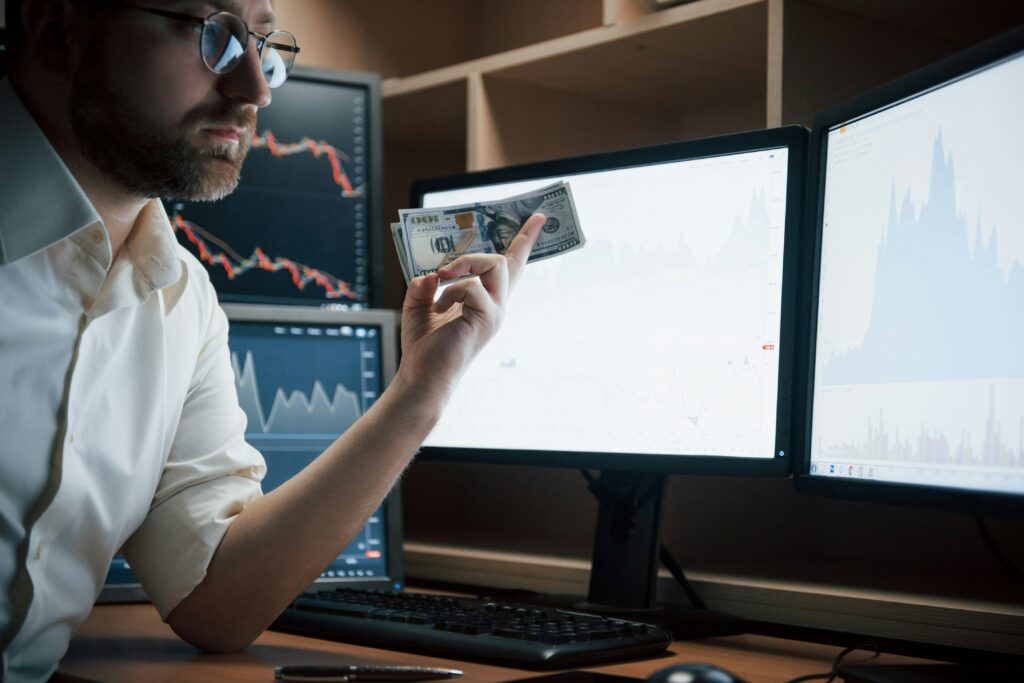
The fastest form of trading. Scalpers hold positions for seconds or minutes, aiming for tiny price changes. This requires low-latency platforms like cTrader to be effective.
Day Trading
Closing all positions before the market closes. Day traders avoid “overnight risk” (the risk of the market gapping up or down while they sleep).

Swing Trading
Holding positions for several days or weeks. This style is ideal for those with full-time jobs, as it doesn’t require constant screen monitoring.
Position Trading
The “marathon” of trading. These traders follow macro trends and may hold a position for months.
What is Trading?
4. What Can You Trade? (Asset Classes)
- Forex (Foreign Exchange): The largest market in the world, trading currency pairs like EUR/USD.
- Equities (Stocks): Buying shares in individual companies like Apple or Tesla.
- Commodities: Hard assets like Gold, Oil, and Silver.
- Cryptocurrencies: Digital assets like Bitcoin and Ethereum.
- Indices: Trading a basket of stocks (e.g., S&P 500 or NASDAQ).
5. How Trading Works: The Technical Basics
To succeed, a trader must master two primary schools of thought:
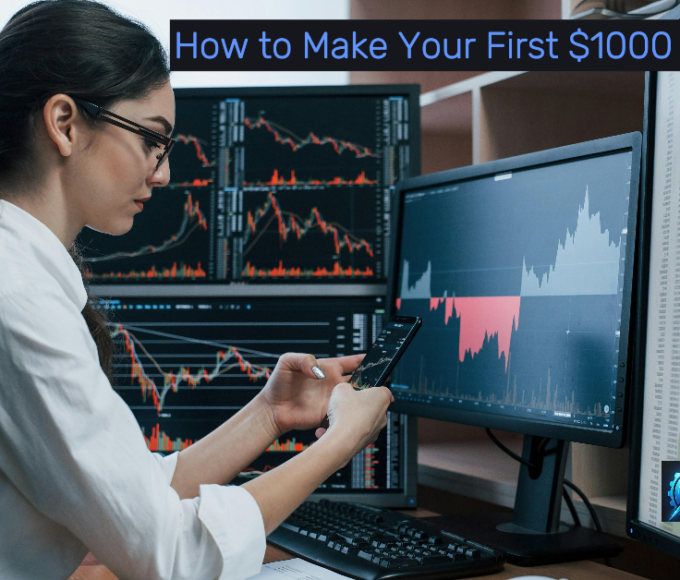
Technical Analysis
This involves studying historical price action and volume. Traders use tools like:
- Support and Resistance: Identifying where price historically “bounces” or “stalls.”
- Moving Averages: Smoothing out price data to see the trend.
- Indicators: Tools like RSI or MACD to gauge momentum.
Fundamental Analysis
This involves looking at the “why” behind price movements. In Forex, this means monitoring interest rates and GDP. In Stocks, it means looking at earnings reports.
6. The 3 Pillars of a Successful Trader
This is where CraxTrades adds unique value. Most beginners fail because they only focus on the “Strategy.”
- Methodology: Having a backtested, proven strategy.
- Money Management: Never risking more than 1-2% of your account on a single trade.
- Mindset: Controlling the “Twin Devils” of trading—Greed and Fear.
7.REQUIREMENTS FOR TRADING 💹
- Trading view
- Exchanges like Binance ,Htx,etc
- Blockers like Exness etc
8. Frequently Asked Questions (FAQ)
Essential Trading Tools for Success
Q: How much money do I need to start trading?
A: With modern brokers, you can start with as little as $100. However, proper risk management is easier with a larger capital base.
Q: Is trading gambling?
A: If you trade without a plan, yes. If you trade with a backtested strategy and strict risk management, it is a business based on probabilities.
Q: Can I trade for a living?
A: Yes, but it requires extreme discipline and usually 1–3 years of consistent practice before reaching profitability.
Q: What is the best platform for beginners?
A: We recommend cTrader for its transparency, advanced charting, and superior execution speeds compared to older platforms.
Conclusion: Your Journey Starts Here
Trading isn’t a “get rich quick” scheme; it’s the hardest way to make easy money. By focusing on education and using the right tools, you can navigate the markets with confidence.
Ready to “Crax” the code? Join our community and explore our deep-dive guides on technical analysis and cBot automation.